


Alta Thoughts (June 2026)
By Rakesh Patel
What is a lifestyle hotel actually? I have spent time exchanging ideas with experienced hoteliers, speaking on hotel panels, and staying in many so-called lifestyle hotels. One thing I have discovered is that there is no definitive definition of lifestyle hospitality.
However, several words consistently appear: Experience, Authenticity, Community, Local, Design, and Culture. Of those, Experience is the probably the most important.
Every hotel is an experience of some sort. The question is whether it delivers on the other dimensions and whether guests want to repeat it. That is surely the secret sauce. As hoteliers, if we can move beyond simply selling a bed in a box, we create something guests genuinely buy into and want more of.
From an investor’s perspective, that should translate into an attractive operating model, with loyal guests, longer stays, higher spending, repeat visitation, and ultimately stronger returns.
Recent industry research supports this view. CBRE highlights lifestyle hotels as the fastest- growing segment in global hospitality, while Colliers points to resilient occupancy, premium ADR performance, and diversified revenue streams as drivers of investor interest. Despite this momentum, lifestyle hotels still represent only around 1% of hotel supply in Asia Pacific, suggesting a long runway for growth.
Demographics are also supportive. Gen Z is already the largest population cohort in Asia and is reshaping travel preferences around experiences. As this generation becomes a larger share of travel spend, demand for differentiated hospitality experiences should continue to rise.
Creating a lifestyle experience that guests genuinely buy into is not easy though. It requires a deep understanding of what resonates with people in a personal and authentic way. Get that right and you create a business with a natural moat that is difficult to replicate. The other challenge is scalability. How do you create that same human-centered experience multiple times over without dilution? This is not like franchising 7-Elevens or McDonald’s!
The answer, in my view, is people and purpose. Get the right people and stay true to your purpose. Whether it is immersing guests in local culture and community, celebrating design, or delivering holistic wellness, authenticity matters. Guests today, increasingly aided by social media and AI, are quick to recognise when brands drift too far from their original purpose.
As travel continues to evolve, we believe lifestyle hospitality is moving from niche segment to mainstream asset class. For investors, owners, and operators alike, that creates a compelling opportunity.
At Alta Capital, we invest in lifestyle hospitality for these reasons. We believe the sector sits at the intersection of travel, real estate, and changing consumer behaviour.
If you would like to learn more about our lifestyle investments in Thailand, Indonesia, Sri Lanka, and Spain, please feel free to reach out. I am always happy to exchange ideas and perspectives.
Below are a few of our recent thoughts posted on LinkedIn. Always good to hear your feedback. You can follow us directly on LinkedIn and go to our website.
Short-Term Noise, Long-Term Strength
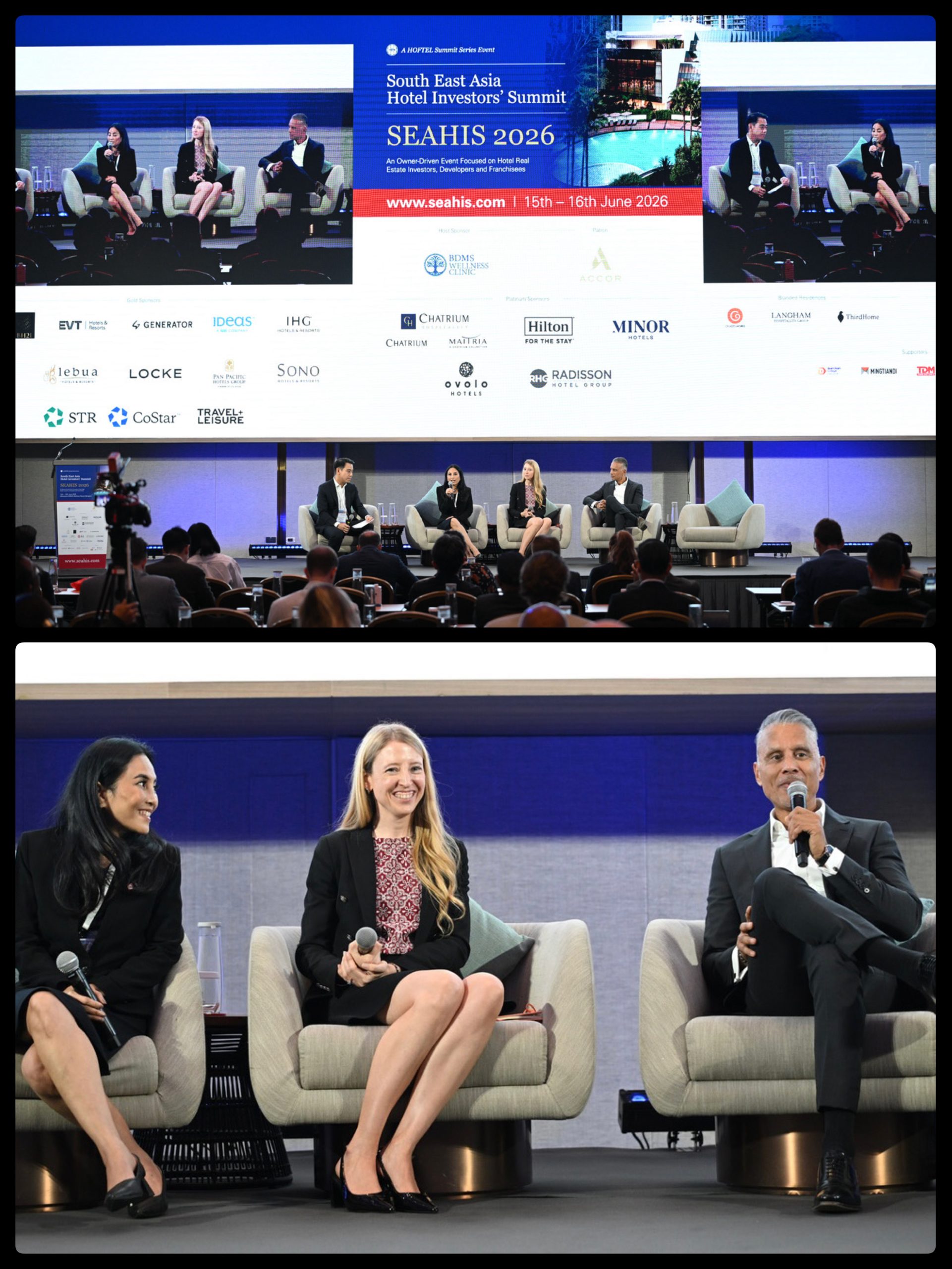
Always good to hear Jesper Palmqvist from #STR speak at #SEAHIS Bangkok, whose data-rich views on the state of Asian hospitality are always insightful. His theme this year – Short-Term Noise, Long-Term Strength – captured the current environment.
The message was one of resilience. Demand growth may be moderating, but supply growth remains limited, premium travel continues to gain share, and events calendars remain healthy. Revenues are also continuing to outpace expenses across much of Asia.
Perhaps the most interesting takeaway was that the Middle East disruption appears to have had only a limited impact on Asia overall, with indirect exposure relatively low. Behind the regional averages, there are very different local dynamics, reinforcing the importance of asset selection, repositioning, and active management in creating value.
Gen Z Checks In: The Rise of the Lifestyle Hotel
CBRE recently highlighted that lifestyle hotels are the fastest-growing segment in global hospitality. In Asia Pacific, the category remains relatively underpenetrated, but demand is rising as travellers seek authentic experiences, local culture, and distinctive design.
The demographic tailwind is equally compelling. Gen Z is already the largest population cohort in the region and is reshaping travel preferences around experience, connection, and personalization rather than traditional notions of luxury.
For investors, this creates an interesting opportunity to renovate, reposition, and rebrand hotel assets into lifestyle brands as a path to value creation.
