


Alta Thoughts (May 2026)
By Rakesh Patel
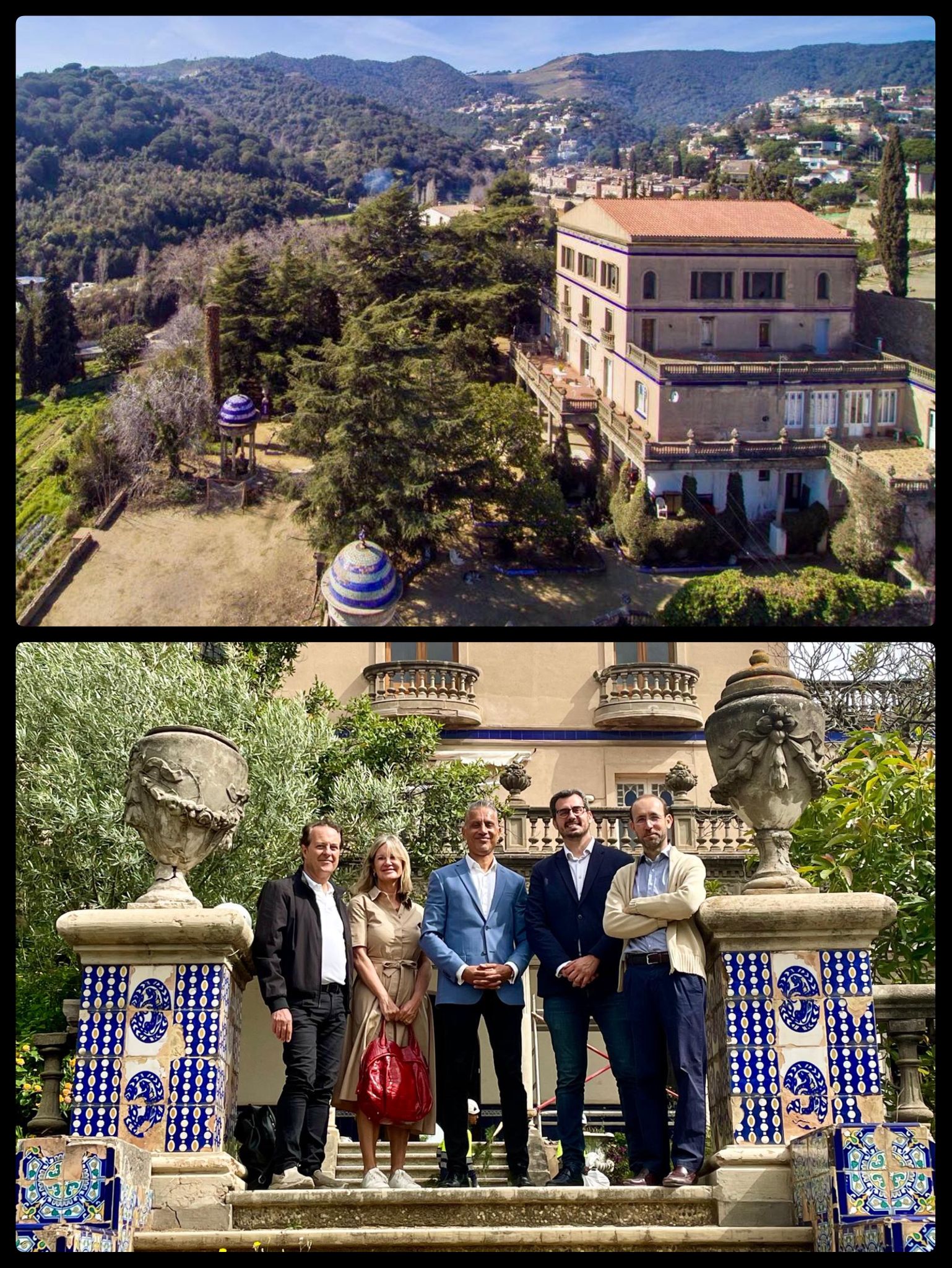
My recent trip to Spain for our project in Barcelona reminded me both how far the Spanish economy has come since the Global Financial Crisis – and also the challenges that still remain. (Pre-renovation pictures above of our 1760s heritage property).
Back in 2008, Spain was grouped into the infamous “PIIGS” acronym during the European sovereign debt crisis. Fast forward to 2026, and the Financial Times has coined the term “BIFs” for Europe’s weaker fiscal economies. Spain has managed to escape this latest acronym, reflecting the country’s strong recovery over the past decade.
The numbers are impressive. Spain’s post-pandemic recovery has been strong, with real GDP growth averaging around 3% annually between 2021–2026, outperforming most major Eurozone peers. Tourism remains a major driver, with Spain attracting around 97 million international visitors in 2025 – another all-time high, and the country consistently ranks among the top three globally in the World Economic Forum’s Travel & Tourism Development/Competitiveness Index.
This strength is also reflected in hospitality investment. According to Colliers, hotel investment volumes in Spain reached approximately €4.3bn in 2025 the second-highest level on record – with Barcelona remaining one of Europe’s key hospitality investment markets. Resort and lifestyle assets continue to attract institutional capital.
Challenges remain, however. Immigration has supported labour force growth and economic expansion, though it has also contributed to social tensions, housing affordability issues, and is becoming a political challenge for the Sánchez government. We found that bureaucracy also remains difficult, with permitting processes often slow and fragmented. And Spanish banks, despite being better capitalised today, also remain cautious lenders.
Tourism itself is becoming both an economic success story and a political challenge, with over-tourism increasingly becoming a sensitive issue during peak summer periods.
Overall, Spain remains a country with solid fundamentals, extraordinary cultural depth, amazing beauty, and is one of the most compelling hospitality markets in Europe.
As for our own project, we are renovating an historic 1760s building under the “Casa Musa” brand – a boutique luxury concept rooted in heritage, art, and design-led positioning. The property will house an important private art collection spanning over 100 years of Catalan modern art. Please feel free to reach out if you would like to learn more about our project.
Below are a few of our recent thoughts posted on LinkedIn. Always good to hear your feedback. You can follow us directly on LinkedIn and go to our website.
Hospitality 2026: Investors’ spotlight on lifestyle hotels
Lifestyle hotels are increasingly emerging as one of the most attractive segments within Asia hospitality investment. A recent 2026 @Colliers report highlights growing investor interest in experience-led assets, supported by resilient occupancy, premium ADR performance, and diversified revenue streams beyond rooms alone.
As travel demand becomes more experience-driven, guests are placing greater value on design, wellness, food & beverage, and local connection. This is allowing lifestyle assets to command stronger pricing power and build deeper guest loyalty compared to more traditional hotel formats.
For investors, the appeal is clear. Lifestyle hospitality sits at the intersection of travel, real estate, and consumer behaviour – benefiting from structural shifts in how people travel and spend. In an increasingly competitive market, differentiated assets with strong experiential positioning are becoming a compelling source of long-term value creation across Asia.
Discover this year’s trending summer travel destinations and activities
Google Travel Trends 2026 reports that “slow travel” has reached an all-time high in search interest, alongside rising demand for month-long stays, yoga retreats, and immersive travel experiences. One of the clearest signals in hospitality right now is that travellers are moving from itinerary-driven travel to immersion-driven travel.
Luxury is increasingly being defined by time, depth, and emotional connection – not just movement. Guests are seeking fewer destinations, longer stays, and experiences that feel culturally and personally meaningful.
For hospitality investors and operators, this changes the equation. The assets that outperform over the next decade may be the ones that create emotional relevance and experiential connection, driving longer stays and deeper guest engagement – not simply room turnover.
