


Alta Thoughts (February 2026)
By Rakesh Patel
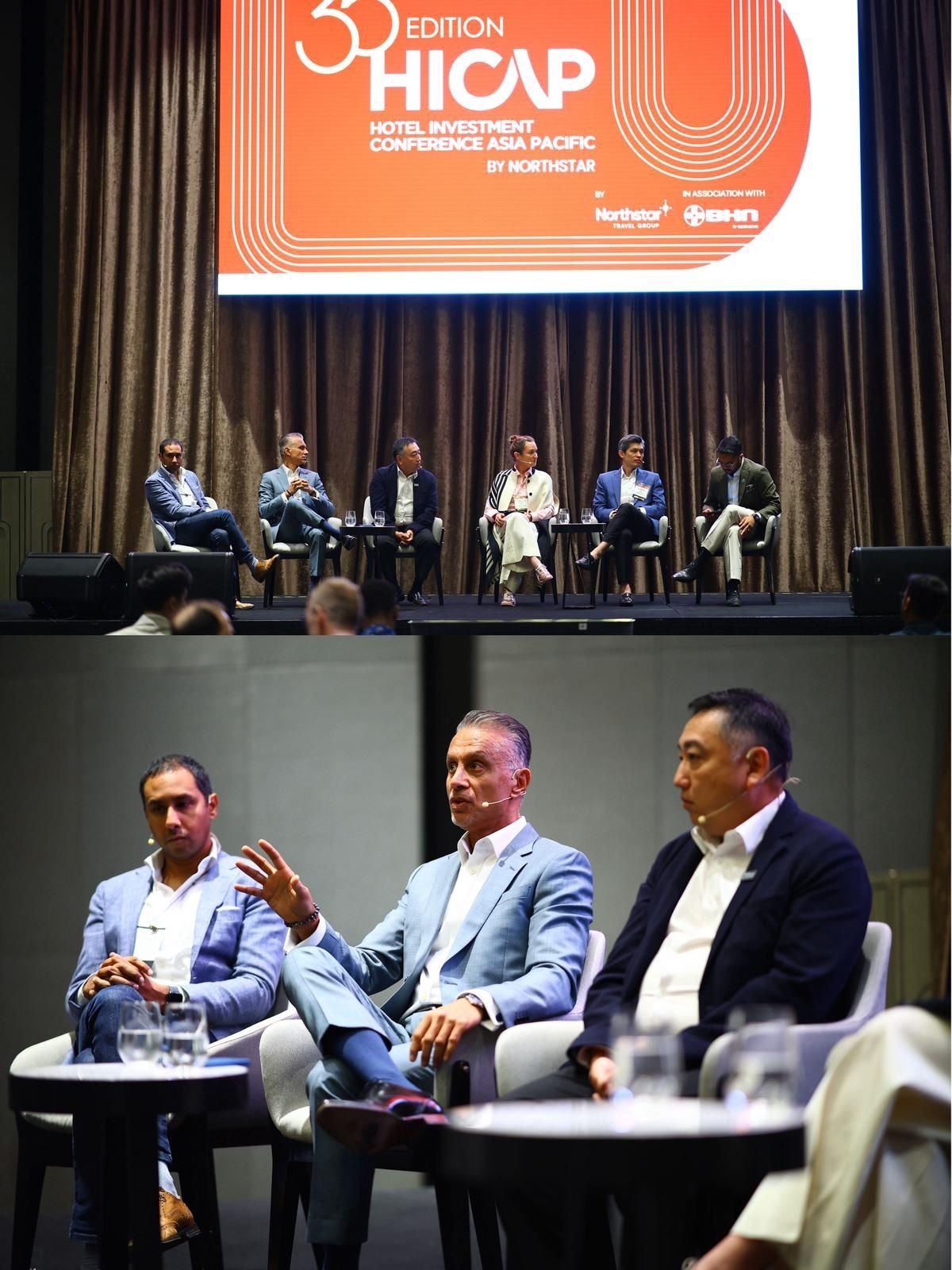
I was asked a great question on a hospitality panel – one I’d actually never been asked before.
Having worked across global investment banking and hospitality private equity – two worlds that often view risk very differently – I was asked: “How does that dual lens influence the way I evaluate deals?”. Thanks to Karan Mahesh from STR for the question. Here are a few reflections.
In global markets trading, you take principal risk. Public markets are mostly transparent and liquid; data is real-time and P&L marks to market continuously. You can hedge, scale, or exit efficiently (most of the time). That immediacy makes risk management highly dynamic and quantitative – you learn to price uncertainty more precisely and make fast, informed decisions.
In hospitality private equity, it’s quite different. You’re investing in relatively illiquid, opaque markets with limited transactional data. Valuations are periodic, holds are long, and exits can take years. Risk isn’t marked daily – it’s embedded in operations, management quality, and market cycles. You rely on judgment, triangulation, and deep diligence to underwrite value. That illiquidity demands patience, conviction, and a long-term view – and should command a higher risk premium.
Beyond risk, liquidity, and data, the two worlds differ across other dimensions – mindset, control, information flow, culture, asset type, stakeholders, and feedback loops, among others.
What did I take from public markets that carries over to private markets?
Leverage at the wrong point in the cycle, can challenge even the best. That size (scale) matters. Most of all that scalability and profitability are great, but the market constantly reprices sustainability (of both growth and profitability). Sustainability is very often framed as being a “moat”. Building a moat/sustainable business model is perhaps even more critical in private situations when entry and exit is slower and where operational risk management especially important.
Seeing both sides of public and private markets has been an invaluable experience for me and helped shape a more balanced approach to value, risk, and reward. And yes – hotels can be more enjoyable than banks!
Below are a few of our recent thoughts posted on LinkedIn. Always good to hear your feedback. You can follow us directly on LinkedIn and go to our website.
Airbnb strengthens hotel and tech leadership team
As AI accelerates, every travel platform is being forced to rethink its model. Airbnb doubling down on AI and hotels at once shows where this is heading – and why hotels with dynamic, data-rich content will be best placed to win in the next phase.
This is reinforced by recent news: Airbnb has hired Ahmad Al-Dahle, former Generative AI lead at Meta, as CTO. It’s a clear move from AI experimentation to execution – pointing toward personalised recommendations and a concierge-style travel experience, not static listings.
In parallel, Airbnb is formally stepping into hotels. Jesse Stein is now Head of Hotels, backed by new leadership focused on enterprise and connectivity. Airbnb is a platform recalibrating for what comes next.
Global hotel groups bet on customer loyalty to beat online and AI agents
Major hotel groups are stepping up efforts to drive direct bookings, cutting reliance on online travel agents that charge 15–25% commissions. Marriott said members to its Bonvoy loyalty program rose 18% yoy. Rivals including Hilton and Hyatt are adding tech and perks to pull guests into their own ecosystems.
The shift comes as AI “agents” threaten to reshape travel booking. Executives at Radisson and Marriott say AI channels could prove cheaper than OTAs while deepening customer relationships and data capture.
OTAs such as Booking Holdings and Expedia Group insist there is room for all players in the $3tn market. But with tools like ChatGPT accelerating change, big hotel groups are betting that owning the customer – not renting them – is the smarter long game.
